
Electricity demand in India is increasing rapidly as households, industries, and businesses rely more heavily on power for daily operations. However, the rising cost of electricity, frequent grid failures, and growing environmental concerns are pushing consumers to explore more reliable and sustainable options. In the debate of Solar Energy vs Conventional Energy, solar power has emerged as a powerful alternative gaining widespread acceptance and adoption. With advancements in technology and supportive government policies, solar energy is becoming an essential part of India’s clean power revolution.
Limitations of Conventional Electricity
Traditional power generation in India is largely dependent on fossil fuels such as coal, diesel, and natural gas. Although these sources have powered growth for decades, they face major challenges:
High electricity bills due to increasing fuel prices
Heavy environmental pollution and greenhouse gas emissions
Limited availability and depletion of natural resources
Dependence on centralized grid systems
Frequent power outages affecting daily productivity
These drawbacks highlight the urgent need for cleaner and more sustainable energy solutions.
Why Solar Energy Is Becoming a Stronger Alternative
1. Renewable and Pollution-Free
Solar energy is produced directly from sunlight without releasing smoke or toxic gases. This makes it a clean and renewable power source that significantly reduces carbon emissions and improves air quality.
2. Lower Long-Term Costs
With a one-time installation, solar panels provide 25–30 years of reliable power with minimal maintenance. Households and businesses can cut electricity bills by 70–90%, making solar a highly cost-effective option.
3. Energy Independence
Solar power systems reduce dependence on grid supply and protect users from fluctuating electricity rates. With battery storage and hybrid systems, consumers enjoy uninterrupted power even during grid failures.
4. Government Support and Subsidies
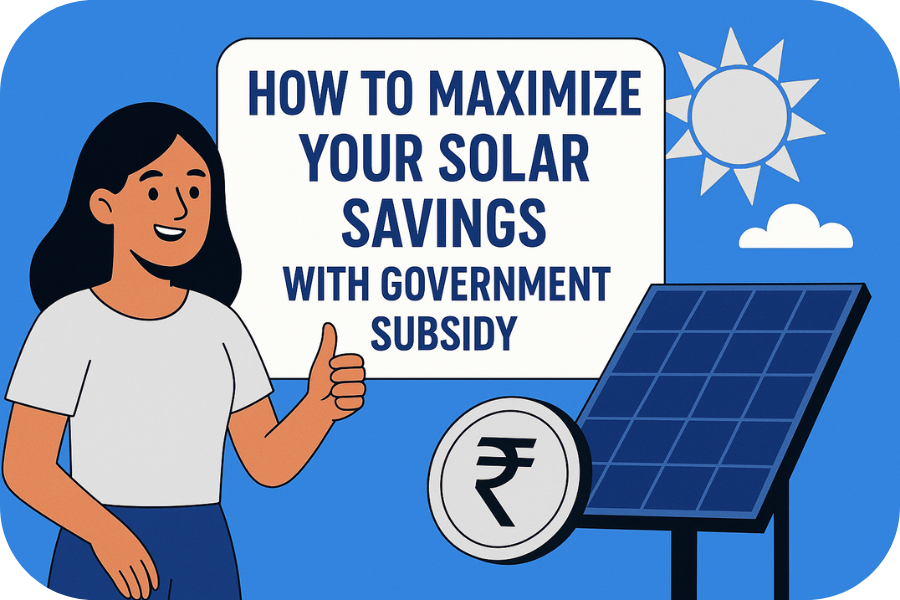
Government subsidy schemes and net-metering policies make solar installations more affordable and profitable by allowing users to sell excess power back to the grid.
Installation Steps for Solar Systems
Assess rooftop space and sunlight availability
Calculate monthly electricity consumption
Select the right system type—on-grid, off-grid, or hybrid
Choose an approved solar installation provider
Apply for subsidies and net metering
Install panels, inverter, and wiring
Inspection and activation
Environmental Impact of Going Solar
Solar power plays a major role in protecting the environment by reducing fossil fuel dependence. An average residential solar system can prevent 2–3 tons of CO₂ emissions per year, helping combat climate change.
Unlike thermal power plants, solar installations consume almost no water, reducing stress on valuable natural resources and preventing wastage.
Conclusion
Solar energy is no longer just an alternative—it is becoming the future of power generation. It offers clean energy, reduced costs, reliable electricity, and long-term sustainability, making it a powerful replacement for conventional systems.
As more households and industries adopt solar, India moves closer to an energy-secure and pollution-free future.







Write a comment ...